Let's take care of ourselves with Magnolias!
Let's take care of ourselves with Magnolias!
Let's Heal Ourselves with Magnolias: Properties and Uses in Traditional Medicine
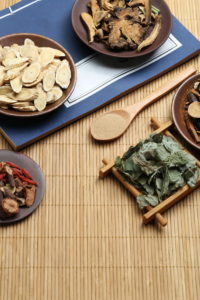
Magnolia is not just a fascinating ornamental plant: in traditional Chinese medicine, it has played an important role for centuries thanks to its beneficial properties. In particular, bark and roots were used to prepare decoctions, herbal teas, and tonics useful for daily well-being.
These parts of the plant are rich in natural compounds that provide antioxidant, anti-inflammatory, and calming effects, making Magnolia a precious ally in natural body care.
Magnolia and natural well-being
Main active ingredients:
Magnololo
Honokiolo
Recognized properties:
Antioxidants
Anti-inflammatory
Calming
Traditional forms of use:
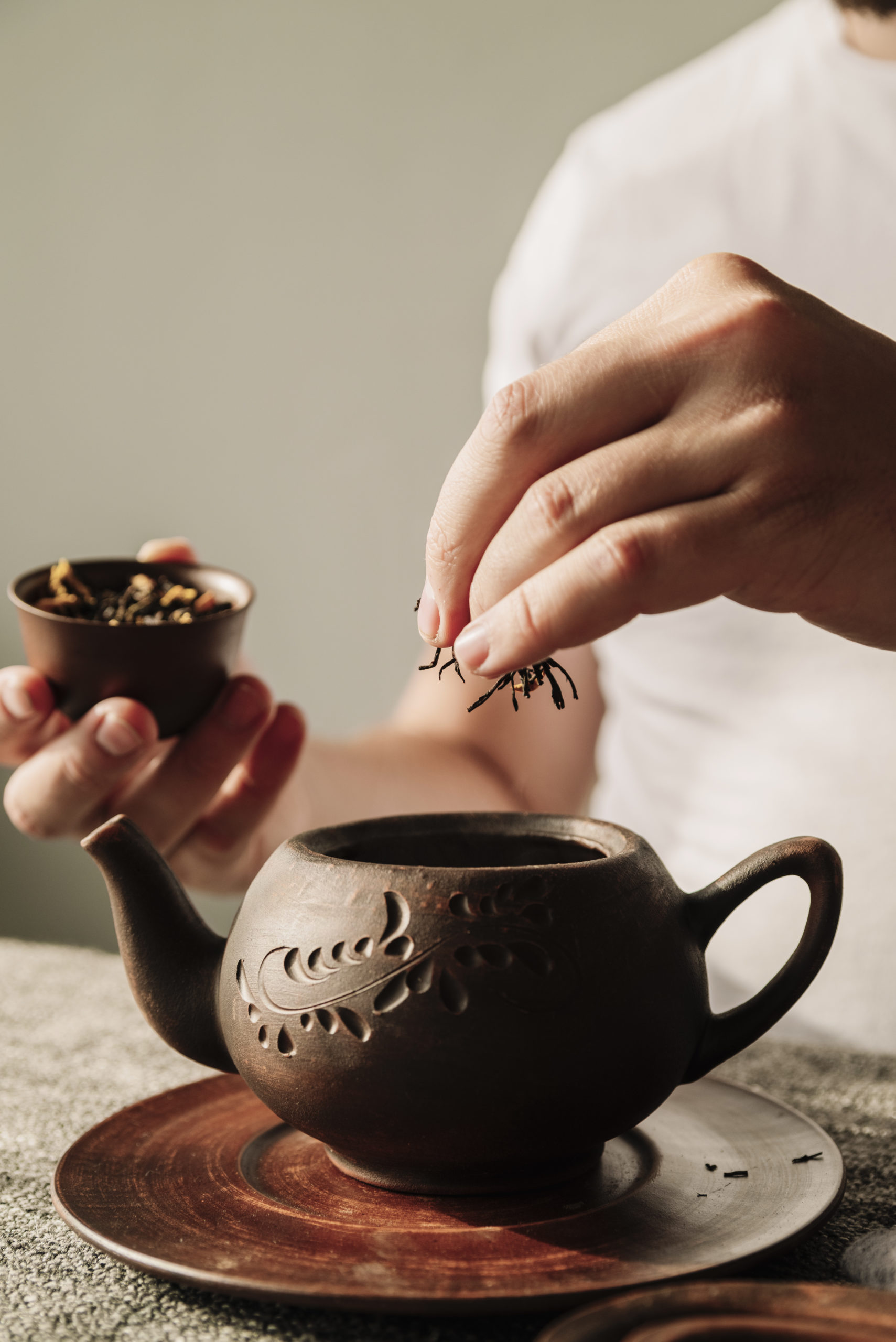
Decoctions
Herbal teas
Tonics
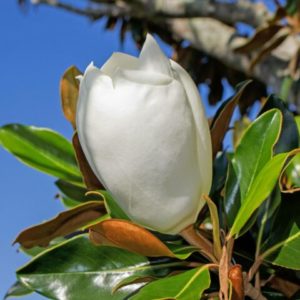
Interesting fact: Magnolia officinalis is the most widely used species in oriental medicine, but it also shares many properties with Magnolia grandiflora.
The best known properties
Magnolia bark contains two well-studied plant-based active ingredients: magnolol and honokiol. These substances are known for their ability to reduce oxidative stress, promote relaxation, and support the body's balance.
It's no surprise, then, that the plant was used to relieve tension, improve sleep quality, and calm anxiety-related digestive disorders.
An ancient knowledge that looks to the modern
Although today the phytotherapeutic use of Magnolia is more regulated and entrusted to controlled products, Chinese tradition reminds us of how versatile and rich in benefits this plant can be.
Its centuries-old history represents a testimony to the bond between man and nature and the ability of plants to positively influence psychophysical well-being.

GDWO
Hi, my name is GDWO. A passionate garden designer and nature lover with over 10 years of experience in landscape architecture